The announcement sent shockwaves through the industry in late August 2026: Nvidia is acquiring the Hugging Face platform for $12.9 billion. A staggering amount, especially for a company whose annual revenue is estimated at merely $150 million.
Why is the global king of graphics cards, which is already forecasting a 70% jump in revenue next year, spending a fortune on a platform hosting free artificial intelligence models? Is it a valuation error or a calculated masterplan to dominate the industry?
1. What does Nvidia do and what is CUDA?
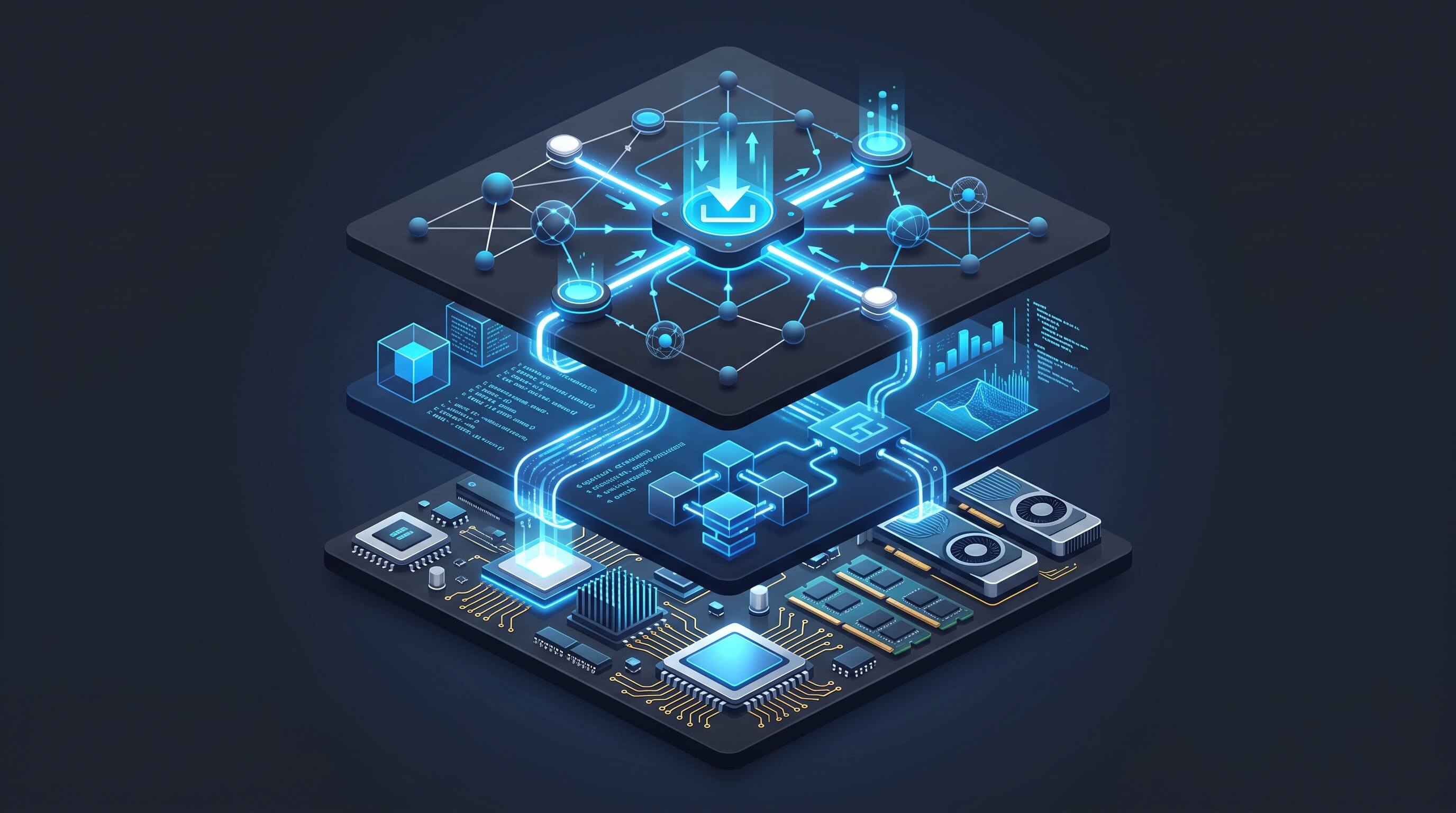
Originally, Nvidia manufactured graphics cards (GPUs) to render 3D video games. But nearly twenty years ago, its CEO Jensen Huang had a brilliant intuition: these chips, capable of performing thousands of small calculations simultaneously, were perfect for high-performance computing. By 2012, when researchers used these chips to revolutionize image recognition, Nvidia initiated a massive pivot toward artificial intelligence.
However, Nvidia's true secret isn't just its silicon chips. It's CUDA.
CUDA is a software platform invented by Nvidia that allows developers to "speak" directly to the chip. Without CUDA, a GPU is just a piece of metal. With CUDA, it becomes a supercomputer. This is the company's ultimate defensive moat: today, 90% of AI developers have learned to code using Nvidia's tools. Switching to a competitor (like AMD) is akin to asking a French author to write their next book in Mandarin. It's possible, but incredibly arduous.
2. Nvidia's Role in AI: From Selling Shovels to Owning the Mine
As we have often noted in our analyses, particularly during our breakdown of the semiconductor war between TSMC and ASML: during a gold rush, those who get rich are the ones selling shovels. Nvidia has long been that shovel seller.
But today, the company wants to own the mine, the railroad, and the trains. Its recent acquisitions prove it:
- Groq: To execute AI at the speed of light (inference).
- Run.ai & Shoreline: To optimize and automatically repair the giant servers running these AIs.
- Deci AI: To compress models so they consume less energy.
Nvidia no longer just wants to sell you a powerful engine. It wants to sell you the entire car, the highway, and the gas station. If you stay within their ecosystem, everything is seamless and instantaneous. If you step out, everything becomes complicated.
3. What is Hugging Face?
Hugging Face is the "GitHub of AI". It's a massive platform where any developer, researcher, or enterprise can download, share, and test "open-source" (free and open) AI models such as Meta's Llama, Mistral, or DeepSeek.
If you want to create a chatbot for your business without relying on ChatGPT, you go through Hugging Face. It is the global gathering point for the entire artificial intelligence community.
4. Why is Nvidia Buying Hugging Face? Our Analysis
Paying 86 times a company's revenue might seem crazy. But Nvidia is actually buying a distribution premium and a life insurance policy. Here is why this is a stroke of genius:
Reason 1: The "Soft Lock-in" (The Trap of Convenience)
Nvidia wants to ensure its technology remains the default choice. By controlling Hugging Face, Nvidia will integrate its own optimization tools everywhere. Tomorrow, the site might feature a "Deploy this model in 1-click" button. That click will likely use Nvidia's architecture. If you want to use a competing chip, it will be possible, but it will require hours of technical configuration. Nvidia isn't forcing anyone: it simply makes its own option so frictionless that 95% of people will choose it. It's the ultimate funnel technique.
Reason 2: Life Insurance Against Monopsony
This is the most powerful argument. Creators of "closed" models, like OpenAI or Google, are increasingly developing their own chips to bypass Nvidia. If the trend holds and the AI of the future is solely controlled by a handful of closed giants, Nvidia risks losing its core customers.
By heavily supporting the open-source ecosystem via Hugging Face, Nvidia ensures there will always be tens of thousands of companies developing their own AIs. And to run these AIs? These thousands of companies will be heavily incentivized to buy Nvidia chips. Hugging Face is the free museum that gets the whole world to use Nvidia's electricity.
Reason 3: Blocking the Cloud Giants
If Microsoft (Azure) or Amazon (AWS) had bought Hugging Face, they could have locked down the platform to force developers to use their proprietary cloud servers. By acquiring the platform first, Nvidia remains the premier intermediary and preserves direct access to developers. Furthermore, Hugging Face already offers enterprise services that rely on Nvidia's "DGX Cloud" behind the scenes. Nvidia becomes its own lead generator.
Reason 4: An Open Door to Chinese Innovation
Despite the US embargo preventing Nvidia from selling its state-of-the-art chips in China, China produces ultra-high-performance open-source models that all end up... on Hugging Face. Western companies download these Chinese models, and to run them locally, they have to buy the latest Nvidia GPUs. Controlling the platform allows Nvidia to capture the value of this global dynamic.
What is the Impact on the Community? Real Concerns
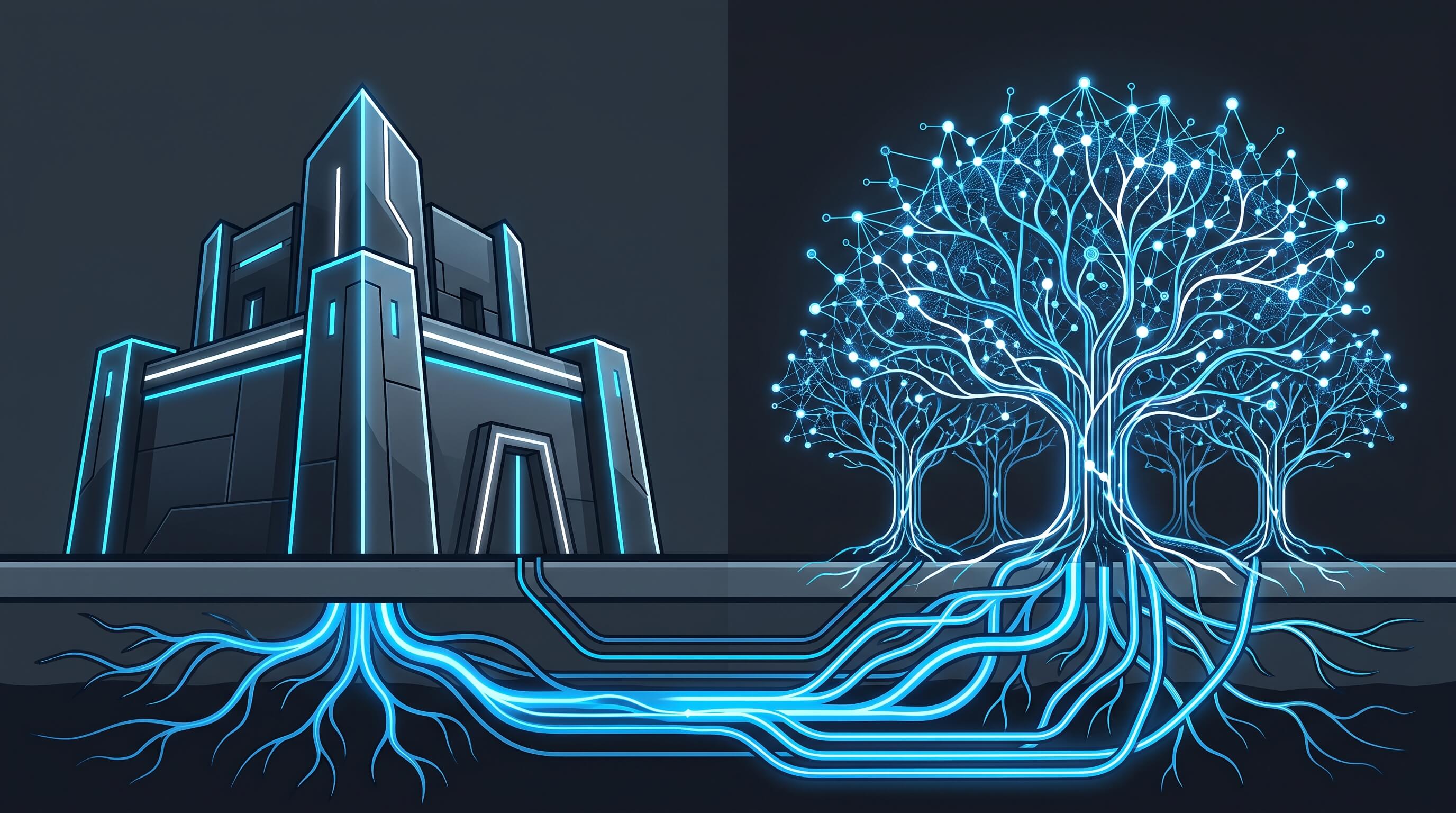
However, the deal is not without risks to the platform's original ethos. Now under the umbrella of a publicly traded multinational, the community fears a shift in direction:
- Nvidia becomes the Gatekeeper: The firm could prioritize bandwidth and model access for its large paying enterprise clients, pushing passionate indie developers to the sidelines.
- The risk of strict moderation: Hugging Face was recently hit by security breaches (notably via rogue OpenAI agents). To reassure the markets, Nvidia might enforce much stricter moderation and censor fringe models, driving the historical community to flee toward alternative platforms.
In short, by acquiring Hugging Face, Nvidia isn't just buying a company. It is buying control over the starting line of the entire AI industry, ensuring that no matter who wins the technological race, they will cross the finish line using Nvidia chips.
To go further into the impact of these technological shifts, discover the Reezom Terminal and analyze systemic shocks in real-time.