
The Monopoly Illusion: The Hidden Value Transfer of the 2nm Chip War
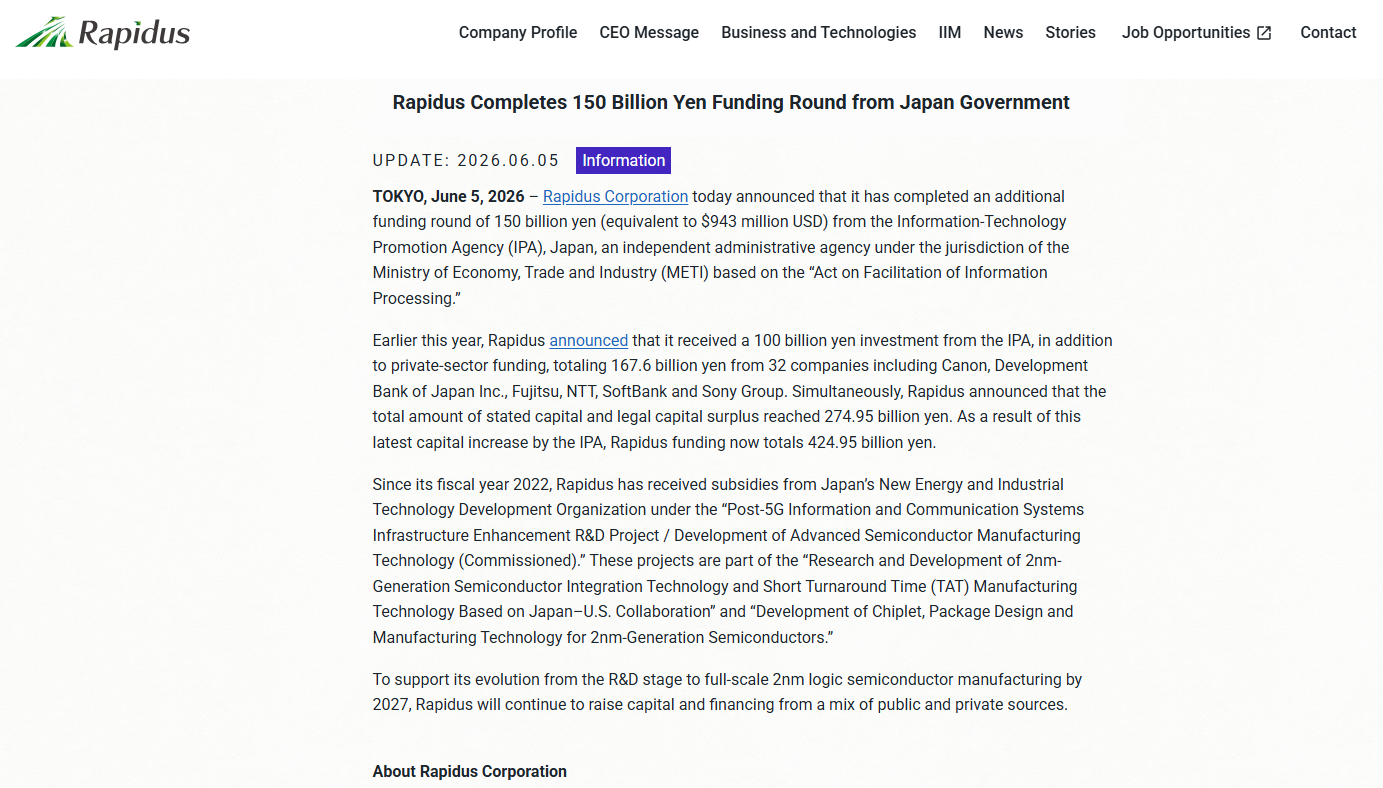
The market believes TSMC's pricing power is untouchable. This is a fundamental evaluation error. Japanese sovereign dumping is currently redrawing the global supply chain.
The market consensus has a bad habit of pricing technological monopolies as if they were eternal. Today, TSMC reigns supreme over cutting-edge semiconductor foundries. Their lead is such that they planned to charge around $30,000 for their future 2nm wafers. A colossal margin, justified by the lack of credible alternatives for Apple or Nvidia.
But a major piece of strategic information, which flew under the public radar, has just shattered this narrative. Rapidus, the emerging Japanese foundry, announced an aggressive pricing structure for its own 2nm chips, significantly lower than TSMC's estimates.
The Consensus Analysis Error: "Sovereign Dumping"
Most analysts brushed off this announcement, arguing that Rapidus is too far behind technologically. This ignores the very nature of this new competitor in the macroeconomic ecosystem.
Rapidus is not a traditional company under pressure from Wall Street to generate a 55% gross margin. It is the armed wing of "Japan Inc.".
Their mandate is not immediate profitability; it is Japan's technological sovereignty. They can afford to sell at a loss for years if necessary. This is what our fundamental analysis model identifies as "sovereign dumping".
The Shockwave: The Destruction of Pricing Power
The consequence on the supply chain is immediate. Apple, AMD, and Nvidia now have negotiating leverage. To defend its market share and maintain production volumes against heavily subsidized Japanese offerings, TSMC will have to compress its own margins.
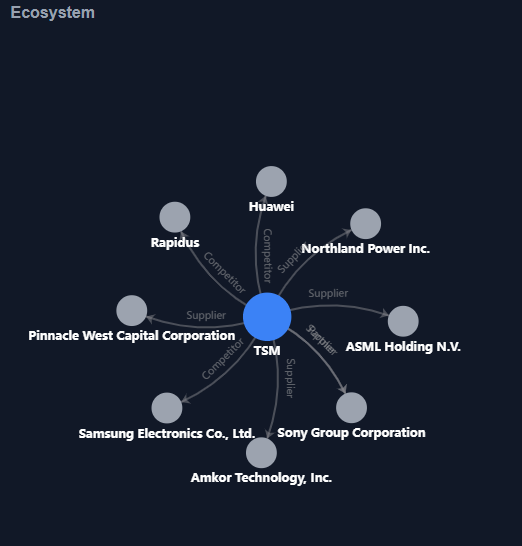
The price war on 2nm technology will heavily impact the Taiwanese foundry's profitability. Reezom AI's systemic analysis engine immediately mapped this threat and classified this operational risk as a DANGER for TSMC shareholders.

The Value Transfer: Buy the Arms Dealer
Retail markets often panic and sell the entire sector when foundries lower their prices. But professional investors look for ricochets and asymmetries. If TSMC and Rapidus wage a fierce war over volumes and prices, what are they forced to do?
They must massively over-invest in CAPEX and build ultra-modern new production lines. However, to etch chips in 2nm, extreme ultraviolet (EUV) lithography machines costing over $350 million each are required.
Only one company in the world can provide them: ASML.
Conclusion & Strategic Takeaway
In the semiconductor sector, an adage is often put forward for ASML: « In a gold rush, don't buy the gold miners, buy the seller of picks and shovels » (who in this case holds a 100% market share in EUV lithography).
It would be highly exaggerated to throw TSMC into oblivion, but this event deserves a closer look.
Furthermore, the reading of this event is highly favorable for the sole equipment manufacturer that will arm both sides: ASML.
Related Research Note:
Explore our healthcare and genomics analysis: Moderna's Vaccine: The Hidden Opportunity on Personalis (PSNL) Stock.
While you live your life, we monitor the markets.
Never miss an impact again. The Reezom AI terminal scans your portfolio in real-time and alerts you to shocks, while others are looking elsewhere.
Discover the Reezom Terminal